


Consistent System Performance Across Every Industry
Across industries, water systems are expected to lose performance over time. Buildup forms, chemical demand increases and operators adjust constantly just to stay within range.
MATpure® changes that pattern by catalytically conditioning water upstream, helping systems run more consistently, require less intervention and maintain performance across a wide range of operating environments.
Different industries. The same system challenge.
Water systems behave differently on the surface but face the same issues. Over time, conditions shift, buildup forms and performance becomes harder to control. This pattern shows up in different ways depending on the application, but the root cause is the same: the conditions of the water.
Through redox stabilization of water, MATpure® helps prevent scale buildup, control biofouling and enhance the performance of heat exchangers, filtration systems and chemical treatment processes.
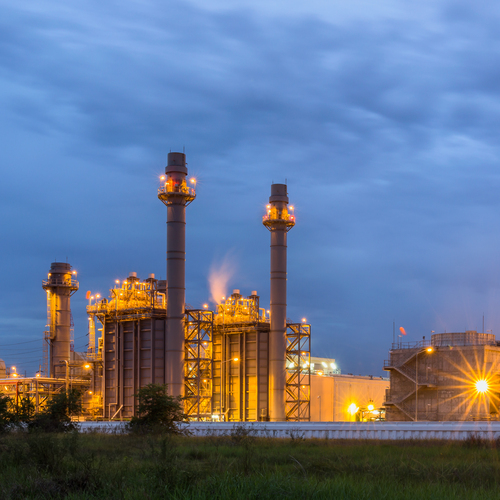
Power Generation
Power plants depend on stable heat transfer and flow to maintain efficiency and uptime. As water conditions shift, scale forms on heat exchange surfaces, reducing thermal efficiency and increasing the risk of unplanned outages.
MATpure® helps eliminate that buildup, so plants can maintain heat transfer, reduce chemical demand and keep systems running consistently.
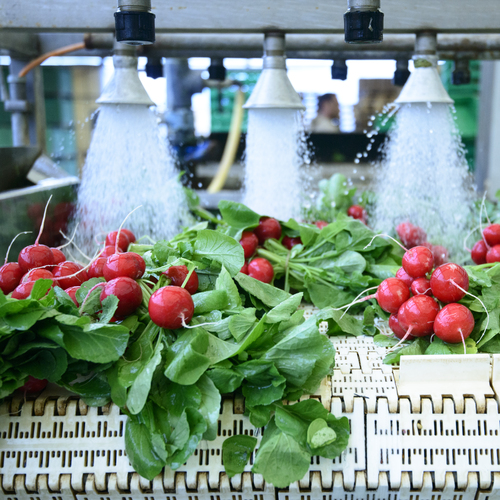
Food & Beverage
Food and beverage production facilities operate under strict sanitation and water quality standards. But as water conditions shift, biofilm forms more easily, increasing sanitation pressure, chemical use and the risk of contamination or compliance issues.
MATpure® stabilizes water upstream to limit biofilm formation, reducing the conditions that allow bacteria like Legionella to grow. This cuts chemical reliance, stabilizes sanitation performance and helps maintain production uptime.
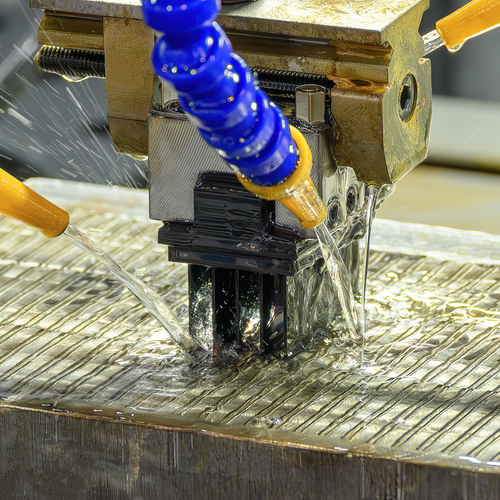
Manufacturing
Manufacturing facilities depend on consistent flow and stable operating conditions to keep production on track. That stalls when scale forms, flow becomes restricted and equipment is pushed harder to maintain output, putting facility uptime at risk.
MATpure® stabilizes water conditions so that scale doesn’t attach to equipment in the first place. This helps facilities maintain flow, reduce equipment strain and keep production running.
See What’s Driving Inefficiency In Your System
Get a system-specific view of how upstream water conditions impact performance, chemical use and operating cost. Request your assessment today.

500 Pinnacle Court Suite 100
Norcross, GA 30071
At CAPE HydroTek, we're transforming industrial water management with a smarter, more efficient approach.
© 2026 CAPE HydroTek All Rights Reserved|
Privacy & Legal | Site by ALINE, A Marketing Company