


How MATpure® Improves System Performance
MATpure® uses catalytic water conditioning to keep particles in solution so they’re less likely to attach or accumulate. This stabilizes system behavior and allows existing treatment programs to work more efficiently. Its compact design also makes it easy to integrate into existing systems.
What is Catalytic Water Conditioning?
When water flows through a system, particles attach to surfaces and form deposits that lead to scaling, fouling and corrosion. This makes systems harder to control and increases the need for ongoing intervention.
Catalytic water conditioning keeps particles in solution, or solvated. As water passes through the catalyst, its oxidation-reduction (redox) conditions are stabilized, so particles are less likely to attach to surfaces and form deposits, limiting the opportunity for scaling, fouling and corrosion, and increasing the effectiveness of existing water treatment processes.
How it Works
Most systems rely on constant correction to stay on track. MATpure® reduces that need by addressing the conditions that drive instability at the source.
✔ Less buildup across equipment, as deposits are less likely to form
✔ Fewer chemical adjustments, reducing the need for ongoing correction
✔ More consistent performance over time, with fewer disruptions
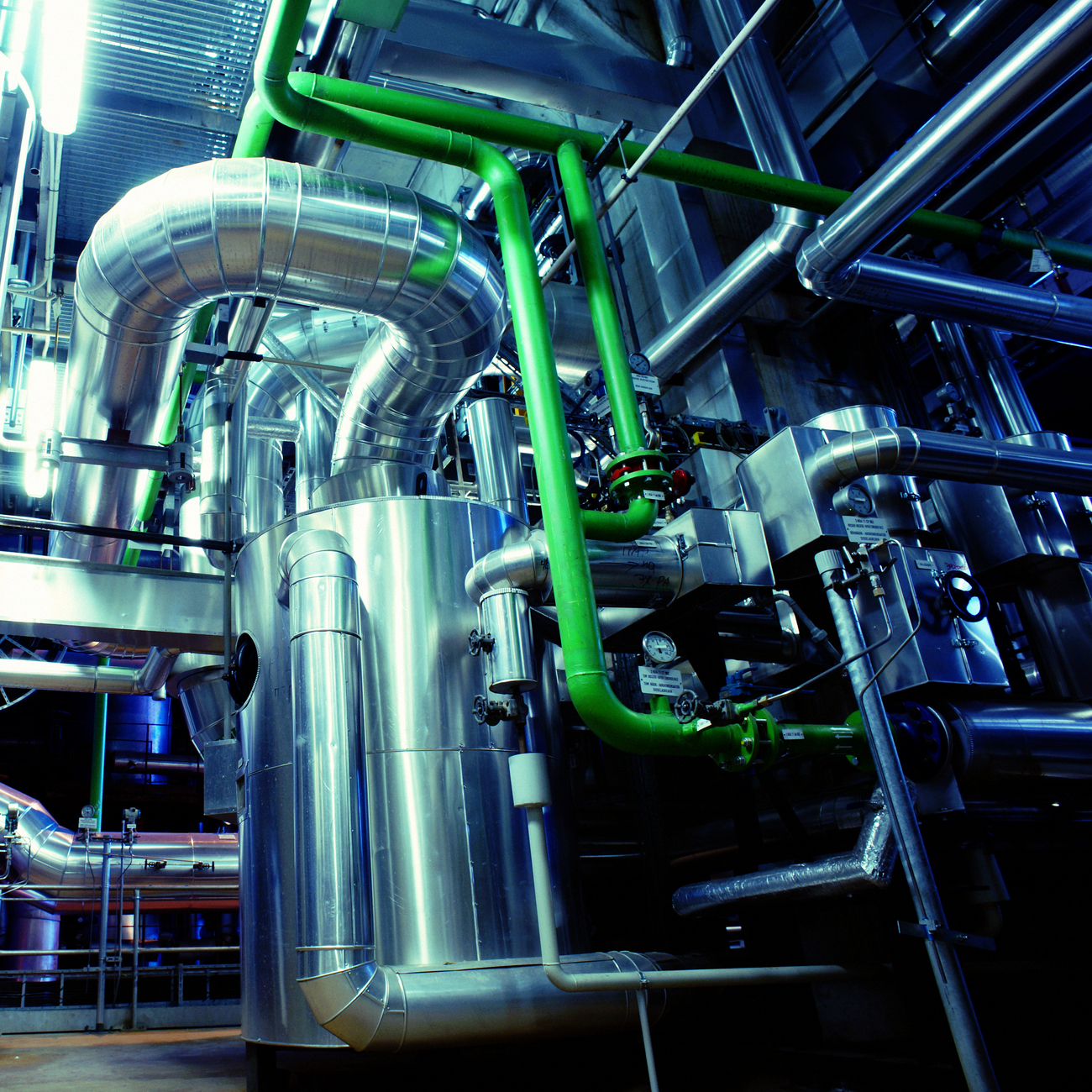
Step 1: Water Passes Through the Catalytic Cartridge
Water flows through a solid-state catalytic media designed to stabilize oxidation-reduction (redox) conditions as it moves through the system.
The catalyst facilitates controlled electron exchange at the surface without being consumed or requiring replenishment, allowing the process to operate continuously without dosing or intervention.
Step 2: Redox Conditions Keep Particles Solvated
With stabilized oxidation-reduction conditions, dissolved minerals and suspended particles remain in solution, or solvated, rather than precipitating out and attaching to surfaces.
This prevents the early formation of scale, disrupts biofilm development and reduces the conditions that allow pathogens like Legionella to grow. In some systems, this has enabled the complete elimination of biocide use.
Step 3: Less Buildup Improves Flow and Heat Transfer
As fewer particles attach and accumulate, system surfaces remain cleaner over time.
Heat transfer efficiency improves, flow restrictions are reduced and equipment operates more efficiently. In some applications, this has resulted in measurable gains in heat transfer (ΔT) and increased flow rates.
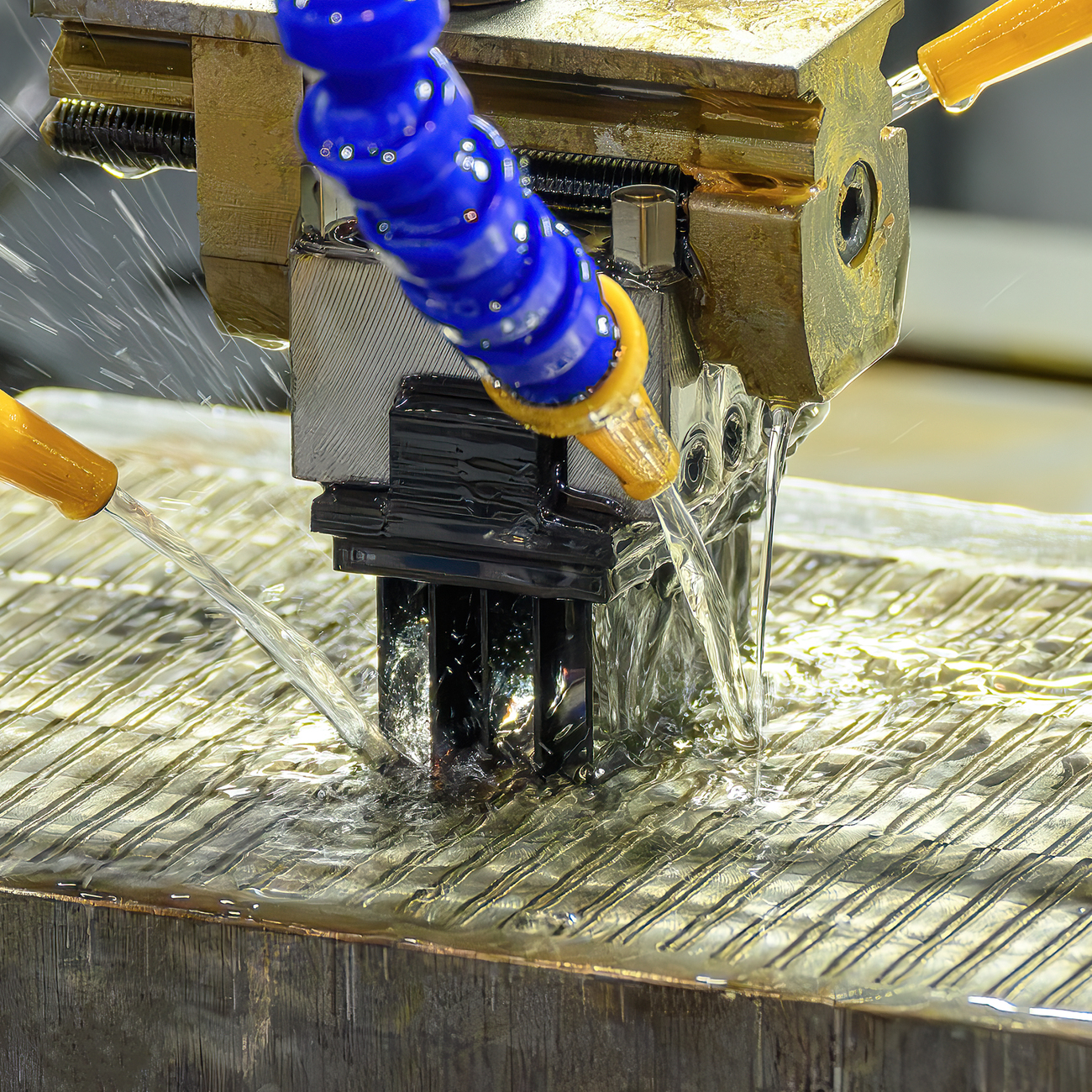
Step 4: Stable Conditions Reduce Ongoing Intervention
With fewer deposits forming, chemical demand drops, maintenance intervals extend and systems run more consistently over time. In many cases, these reductions translate to payback within the first year.
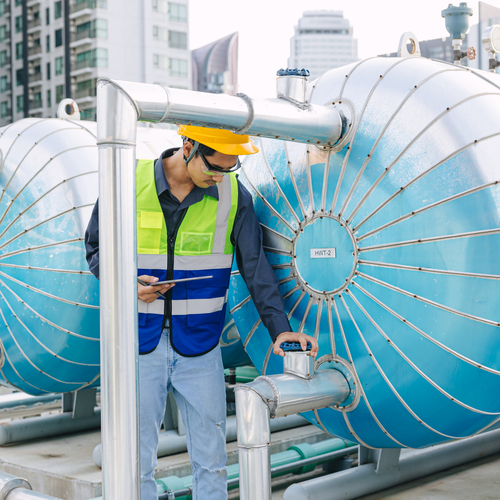
Integrates Easily into Your Existing Infrastructure
CAPE HydroTek’s catalytic technology is designed for easy integration into existing, traditional systems with minimal maintenance. The mineral metal catalyst is installed directly into the water system where it is most advantageous. For cooling systems, this is typically at the make-up water supply but may be at other points along the circuit. In all cases, installations are done with minimal modifications or downtime.
- No major equipment changes required: The catalyst works seamlessly within existing infrastructure.
- Minimal downtime for installation: Unlike complex water treatment retrofits, this technology can be implemented quickly.
- Long-lasting & minimal maintenance: Once installed the catalyst does not degrade, greatly extending maintenance intervals and reducing chemical adjustments.
Why It Matters: Smarter Water Management That Works
Unstable water conditions drive rising costsWhen water conditions fluctuate, chemical programs are pushed to compensate. Dosing increases, performance becomes harder to predict, and operating costs rise over time. By conditioning water upstream with redox stabilization, systems require less correction, reducing chemical demand and helping control costs more consistently. |
Buildup leads to downtime and lost performanceScaling, fouling and corrosion don’t happen all at once. They build gradually as particles attach and accumulate, restricting flow, reducing heat transfer and increasing strain on equipment. Addressing these conditions early helps limit buildup, keeping systems cleaner, extending equipment life and reducing unplanned downtime.
|
Biological growth increases compliance riskAs systems become harder to control, conditions can allow biofilm and pathogens like Legionella to take hold and propagate, increasing compliance risk and operational pressure. Stabilizing water conditions reduces the need for aggressive chemical treatment while helping maintain safer, more controlled system environments.
|
What Makes MATpure® Different From Water Treatment?
Traditional Chemical Treatment |
MATpure® Catalytic Conditioning |
|
X Requires constant chemical adjustment to maintain control |
✔ Stabilizes water conditions upstream, reducing the need for correction |
|
X Reacts to scaling, fouling and corrosion after they begin |
✔ Limits buildup by keeping particles solvated so deposits don’t form |
|
X Conditions fluctuate, increasing risk of biofilm and compliance issues |
✔ Reduces the conditions that allow biofilm and pathogens to take hold |
|
X Ongoing maintenance and intervention are needed to sustain performance |
✔ Supports consistent performance with less maintenance and intervention |
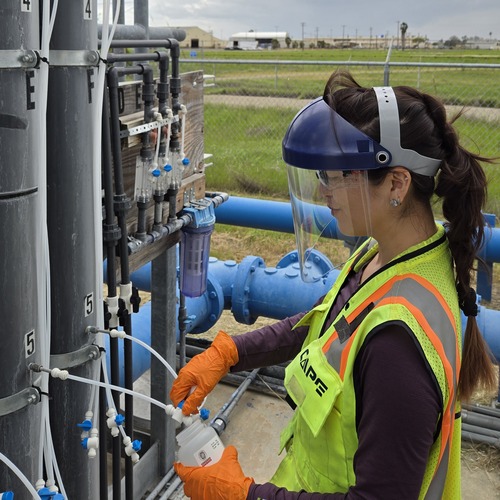
Real Results with Smarter Water Management
When water conditions are stabilized upstream, systems operate more consistently and require less intervention over time. These results reflect measurable improvements in system performance, chemical use and overall operating efficiency using MATpure®:
✔ At least 50% reduction in chemical costs, as demand decreases with less buildup
✔ 100% biocide-free operation in some facilities by limiting the conditions that support biological growth
✔ Reduced costs across energy, maintenance and water usage, as systems run cleaner and more efficiently
✔ Fewer shutdowns and extended equipment life, as scaling, fouling and corrosion are reduced at the source
Is MATpure® a fit for your system?
MATpure®’s compact design and in-line installation makes it easy to integrate into industrial plants and facilities.
It’s especially relevant if you’re dealing with:
✔ Frequent chemical adjustments just to keep systems within range
✔ Recurring buildup that returns even after cleaning or treatment
✔ Performance drift across heat transfer, flow or overall system efficiency
✔ Ongoing risk of biofilm or Legionella, despite active treatment programs
✔ Rising operating costs driven by chemical use and maintenance demands
✔ A need to improve performance without major equipment changes
✔ Equipment that needs to last longer until replacement is viable
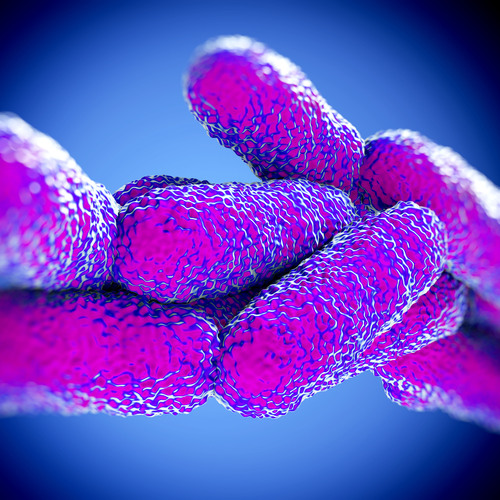
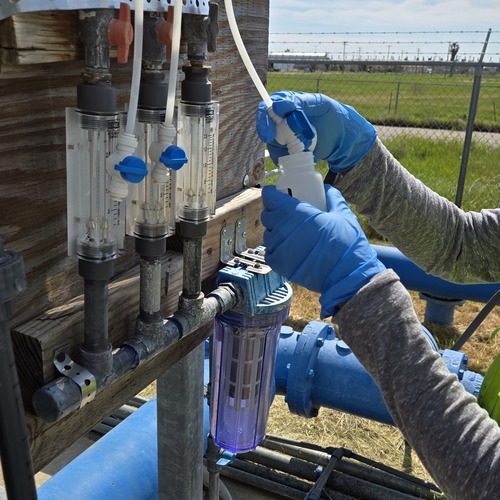
Prevent Legionella
Legionella outbreaks can lead to costly fines, shutdowns, and compliance risks. Learn how our catalytic technology disrupts Legionella growth at the source—minimizing risk while reducing chemical dependency.
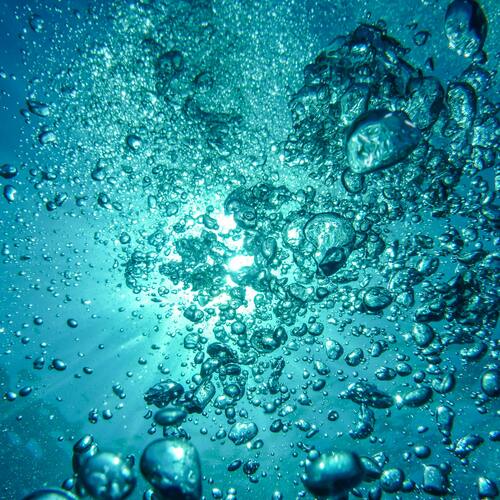
Keep Water Clean & Safe
Traditional water treatment depends on constant chemical dosing, rising costs, and reactive fixes. Discover how catalytic water management delivers stable water quality, minimizes waste, and optimizes system performance.
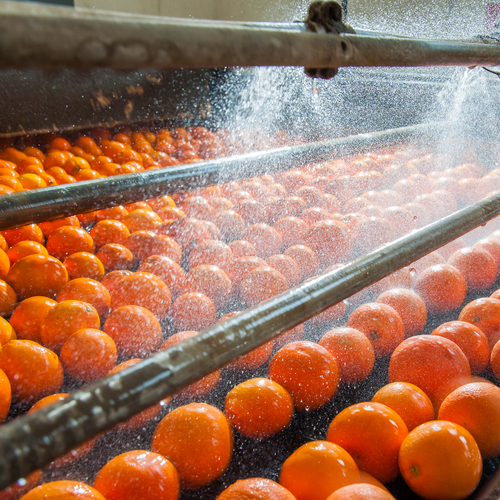
Explore Industry Applications
From power plants to food production to manufacturing, CAPE HydroTek helps industrial facilities reduce chemical use, improve uptime, and ensure regulatory compliance. See how we serve your industry.
What Happens Next?
Step 1: Book a quick call with our experts.
Step 2: We'll analyze your facility’s water system to identify cost-saving opportunities.
Step 3: You'll get a customized report on how you could save and improve efficiency.
See What’s Driving Inefficiency In Your System
Get a system-specific view of how upstream water conditions impact performance, chemical use and operating cost. Request your assessment today.

500 Pinnacle Court Suite 100
Norcross, GA 30071
At CAPE HydroTek, we're transforming industrial water management with a smarter, more efficient approach.
© 2026 CAPE HydroTek All Rights Reserved|
Privacy & Legal | Site by ALINE, A Marketing Company